
"Forest Fruit"
4000 article(s) found

Description of Ethiopian Coffee Flavor with soft Fruit Acid an introduction to the characteristics of the varieties in the producing area
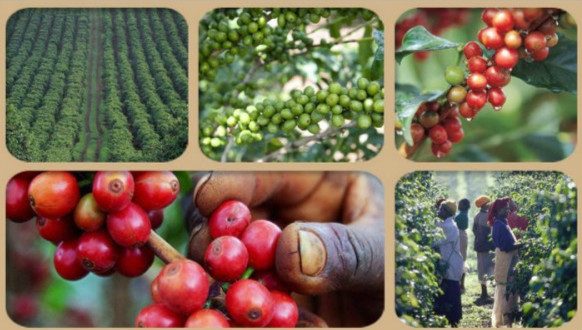
60% of the coffee belongs to forest-semi-forest coffee. In such a wild coffee forest, pesticides are not used at all, but biological methods are used to control pests. 35% of the coffee is courtyard coffee. In this kind of coffee garden, the planting is three-dimensional. Coffee is located in the lower layer and gets a suitable growth environment in the shade of other crops. Fertilizers are mainly fallen leaves, withered grass and animal manure. five

Ethiopian pastoral coffee cultivation system coffee bean cultivation system distributed in Ethiopia
(photo from: national Geographic Chinese website Photo: Amivitale,Panos) according to Qianjie Coffee Consulting, 90% of coffee in Ethiopia comes from pastoral, forest and semi-forest, but large-scale corporate cultivation is rare in Ethiopia. According to the scale and model, the cultivation of Ethiopian coffee can be divided into four types: 1, forest coffee Forest C

Information introduction of Java sun-cured coffee beans in Nicaraguan forest manor _ flavor characteristics of Java coffee
Professional coffee knowledge exchange more coffee bean information please follow the coffee workshop (Wechat official account cafe_style) Nicaraguan forest manor micro-batch Java species sun Finca El Bosque Microlot Java Natural ■ country: Nicaragua ■ production area: Nueva Segovia ■ altitude: 1250-1560 m ■ treatment: sun ■ grade: SHG

The introduction of the nine boutique producing areas in Ethiopia, the parameters of the Lion King hand Chong in Xidamo
Ethiopian name: Ethiopia location: East African Capital: Adis Abba Addis Ababa Religion: Christian main language: Amharic time Zone: GMT+3 Metrology: metric (Metric) currency: bill Birr (1 $20 birr) Agricultural products (export): coffee, flowers, sesame are the main cash crops export port: Djibouti, now

Forest party surrounded by green plants in domestic cafes
There is such a forest party cafe in the Taipei Botanical Garden. The whole cafe is made of driftwood. Is there any more special experience than tasting sweet and sour flower-and-fruit tea here? The facade of the whole driftwood is not very quaint grass-ball leaves hanging on the branches is also a distinctive idea, a cue sign at the door of a corridor decorated with green plants.

Flavor characteristics, producing areas and brewing parameters of single bean of Bankimaji coffee
For the exchange of professional baristas, please pay attention to the coffee workshop (Wechat official account cafe_style) Banchi Magi coffee single bean flavor characteristics, producing areas and brewing parameters there are four types of coffee exported from Ethiopia, namely, virgin forest coffee (forest), semi-virgin forest coffee (semi- forest), garden coffee (garden) and manor large area coffee (plantation).
Yega Sheffield Sun treatment Class in Ethiopia Coffee producing area Magi BenchMaji Esseobi
Ethiopia coffee producing area mainly has eight major coffee producing areas: Ekempti, Limu, Illubabor, Djimma, Harrar, Teppi/Bebeka, Sidamo, Yirgacheffe. Ethiopian coffee is highly rated in Taiwan, especially when compared with Ethiopia's Harrar, Sidamo and Yirgacheffe.
Ethiopia single Manor Plan Ethiopia Coffee Manor-Kafabita Manor
For the exchange of professional baristas, please pay attention to the coffee workshop (Wechat official account cafe_style) Bita Manor is located in the Kafa forest area in southwestern Ethiopia. To this day, the Kafa forest still maintains the forest appearance of the traditional Ethiopian primitive forest, while retaining a considerable number of native coffee varieties. Many cup testers who have tested the Kafa producing area agree that there are quite a few in this area.
What are the coffee producing areas of Ethiopian coffee forest? Harald coffee producing area of Ethiopia
Professional coffee knowledge exchange more coffee bean information please follow the coffee workshop (Wechat official account cafe_style) what are the coffee forest coffee producing areas in Ethiopia? Description of the flavor and taste of Harald coffee beans in Ethiopia coffee producing area? The coffee producing area of Ethiopia is divided into east and west walls by the East African Rift Valley, which evolves separately. West Ethiopia: Lake Tana (Lake

World Fine Coffee Beans: Ethiopia Pica Forest G2 Washed Arabica Introduction
The legend of a shepherd and coffee beans, coffee originated in the southwest of Ethiopia (Kaffa) plateau region, Arab shepherd Karl one day to drive sheep to the Ethiopian steppe grazing, found that sheep are particularly active, so found the fruit of coffee beans. Traceable and Fair Trade
Bancimajie plus Chuefei flavor solarization treatment of organic coffee beans
Sun Banqi Magi G3 belongs to primitive Forest Coffee (forest), which is an organic and natural coffee. It comes from Banqi Magi Forest Coffee producer Farmers Cooperatives Union (Bench Maji Forest Coffee Producer Farmers Cooperative Union Ltd), which set up an export company as a result of 64 major cooperatives.

What are the characteristics of the Harald coffee producing area in Ethiopia? Sub-Hara producing area of Kafa Forest, Ethiopia
Professional coffee knowledge exchange more coffee bean information please follow the coffee workshop (Wechat official account cafe_style) the characteristics of Harald coffee producing area in Ethiopia? Where is the sub-Hara producing area of the Kafa forest in Ethiopia? Geographically located south of the Tropic of Cancer (latitude 5 to 15), close to the equator, belongs to tropical and subtropical climate patterns, most areas are located in
Sidamo Fruit Fruit Coffee with Light to moderate Baking and washing Nuts
The coffee-producing region of Ethiopia is divided into east and west parts by the East African Rift Valley, with lakes, volcanoes, lowlands, plateaus and woodlands interlaced, each evolving. Ethiopia has the most diverse coffee ecosystem in the world (forest coffee, semi-forest coffee, pastoral coffee and plantation coffee), which also preserves its rich Arabica genes. The eastern half is mostly plateaus, coffee beans.

Jamaica Blue Mountain Manor and Sherwood Forest processing Plant Story Blue Mountain Coffee treatment
Professional coffee knowledge exchange more coffee bean information please follow Coffee Workshop (Wechat official account cafe_style) country: Jamaica name: R.S.W Blue Mountain production area: Jamaica Grade: No.1 R.S.W Blue Mountain Manor is located in the mountains of southeastern Jamaica, R.S.W refers to its Resource, Sherwood Forest, Whitfield Hall estates.
The world's most fragrant coffee Lujiang coffee forest
We accidentally broke into Lujiang coffee forest, has long heard of the world's most fragrant Lujiang small coffee, the world recognized that small coffee is coffee spice, only Lujiang dam special geographical environment and climate can grow high-quality small coffee, just met Lujiang forest farm workers picking mature coffee fruit, he told us a lot about coffee drying roasting story. small grain

Characteristics of Ethiopian sun-dried coffee beans? Ethiopia Kafa Forest Coffee Flavor
Professional coffee knowledge exchange more coffee bean information please pay attention to the coffee workshop (Wechat official account cafe_style) the characteristics of sun-cured coffee beans in Ethiopian coffee producing areas? What are the flavor and taste characteristics of Ethiopian Kafa Forest Coffee? Many people believe that Ethiopia is the birthplace of coffee and was first found to grow in the ancient Abyssinia of Abyssinia.

Ethiopian coffee bean native species of coffee bean producing area description of taste and flavor
Ethiopia has nine major coffee producing areas:, Sidamo, Yegashefi, Hara, Gemma, Lim, Iruba, Gimbi (Lekanti), Tibby, and Bebeca. Among the nine major coffee producing areas in Ethiopia, the most famous are Yegashifi, Sidamo and Harald, the largest coffee producing areas.

Introduction of Coffee Variety characteristics and Flavor description in Xidamo Chiso producing area of Ethiopia
Ethiopian coffee is harvested once a year. The beautiful white coffee flowers bloom from March to April, and then the fruit begins to grow. From September to December, the red coffee fruit is ripe for picking. The new season of coffee begins to be exported from November to December. At present, about 25% of the Ethiopian population directly or indirectly depends on coffee production for a living. The majority of farmers use traditional planting methods. Manual care of coffee trees, using
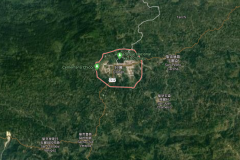
A detailed introduction to the coffee producing area of Koban Rain Forest in Guatemala the flavor characteristics of Koban Rain Forest Coffee
Guatemala has the second highest annual rainfall in coffee production area | Rainforest Coban in Koban Rain Forest. The name comes from the Qeqchi language "CobAn", which means "foggy place". There are perfect producing areas with steep mountains, green rain forests and charming flower scent, including an unspoiled natural environment and a unique micro-climate. High altitude mountain group and high humidity tropics
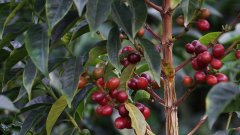
Limu Ethiopian grass and black sugar aroma fruit acid bright boutique coffee
The coffee-producing region of Ethiopia is divided into east and west parts by the East African Rift Valley, with lakes, volcanoes, lowlands, plateaus and woodlands interlaced, each evolving. Ethiopia has the most diverse coffee ecosystem in the world (forest coffee, semi-forest coffee, pastoral coffee and plantation coffee), which also preserves its rich Arabica genes. The eastern half is mostly plateaus, coffee beans.